
Robert Napoli is a Strategic Advisor and Fractional CIO for financial services firms dealing with rising IT spend, complexity, and lagging capabilities.
These problems persist because IT is managed in pieces. Fragmented systems, unclear ownership, and inconsistent governance drag down execution and performance.
Robert Napoli helps leadership restore executive control, so IT becomes predictable, defensible, and aligned with business priorities.
Book a Discovery Call
Take the ITEO Scorecard
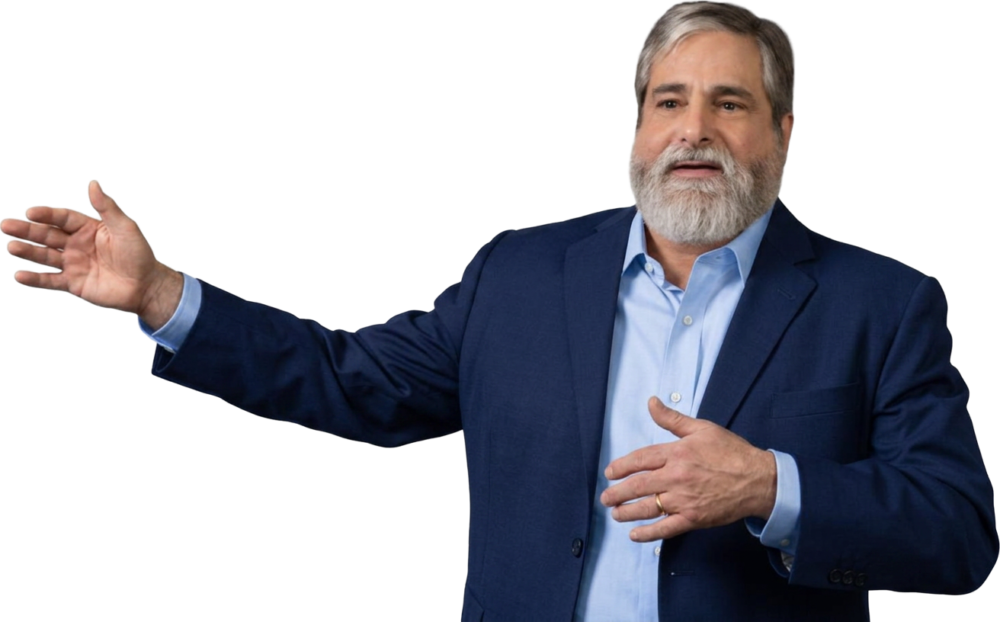
Robert works with only a select number of clients.
Who This is For
CEOs, COOs, and CFOs at financial services firms where IT has become a leadership-control problem, not just a technical one. Typical clients include banks, insurance underwriters, hedge funds, RIAs, and wealth management firms dealing with fragmented systems, rising complexity, and growing regulatory scrutiny.
When to Call Robert
The right moment is when IT spend keeps rising without clearer control, audits are becoming scrambles, and decisions keep slowing down because systems are fragmented and ownership is unclear. It is also when leadership can no longer clearly explain priorities, risk, or why the spend is justified.
Who This is Not For
This is not for firms looking for a tool-first fix, a vendor swap, outsourced IT support, or tactical project help without ownership, governance, and executive leadership. It is also not for firms whose environment is simple or lightly scrutinized, where executive oversight is unnecessary.
What is Going Wrong
You are not dealing with unrelated IT problems.
Rising spend, fragmented systems, slow decisions, and audit struggles are symptoms of a single pattern: IT is being managed in pieces rather than led as a system.
Fragmented ownership and inconsistent governance create internal complexity that quietly erodes control. As that complexity builds, leadership loses clear visibility into priorities, accountability, spend, and risk.
How Robert Works
Control before tools. Leadership before optimization.
Robert starts by restoring executive control. Vendor management and system optimization follow.
Defines the IT Environment
First, he makes the environment visible enough for leadership to manage and defend. That means what systems and vendors are in play, where overlap exists, where ownership is missing, and where drag, cost, or risk is accumulating.
Clarifies Ownership and Priorities
Next, he works with leadership to clarify who owns what, who decides what, and how tradeoffs are made when priorities collide.
Stabilizes the IT Environment
Then he establishes an executive review rhythm around priorities, vendors, spend, and risk so the environment stops drifting back into reactive management.
Leads From The Front
As a Strategic Advisor and Fractional CIO, Robert sets direction, drives execution with the leadership team, and stays engaged until the environment is steadier, clearer, and defensible. He doesn’t advise from the sidelines. He works right alongside you.
What Changes When IT is Led as a System
This work turns unmanageable complexity into one governed business system.
Control and Defensibility
Leadership can see what exists, who owns it, and what is changing. Priorities, spend, and risk become easier to explain, steer, and defend.
Financial Performance and Spend Control
Vendor sprawl, overlap, and technical drag stop quietly eroding margins. Waste becomes easier to remove, and growth no longer requires disproportionate increases in IT overhead.
Faster Execution
Fewer fires, fewer delays, and fewer restart cycles mean the business can move with more confidence. Decisions happen faster and hold longer because the operating environment is clearer and less reactive.
Regulatory Resilience and Readiness
Audits, reviews, and diligence stop becoming scramble events. Risk is addressed earlier, and leadership is better prepared to produce clear answers under scrutiny.
Engagement Model
Executive Role
Robert is not brought in to advise from the outside. He steps in as Fractional CIO as part of leadership to direct execution and help the company regain control of the IT environment.
He works with the executive team to set direction, keep priorities and decisions on track, and provide clarity when ownership, priorities, or vendor issues begin to stall progress.
Leadership Involvement
This is not a delegated engagement. CEOs, COOs, and CFOs remain involved in the decisions that carry real weight, especially where spend, risk, and tradeoffs must hold under pressure.
Operating Structure
The engagement runs on clear ownership, decision rights, and an executive review rhythm. That gives the company a structured approach to priorities, vendors, spend, risk, and escalation, rather than relying on ad hoc decisions and constant reaction.
Durability
The goal is a stronger organization, not dependence on Robert. Ownership, documentation, and knowledge transfer are built into the work, leaving the company stronger, clearer, and easier to run.
There are two clear next steps, depending on where you are in the process.
Start with the ITEO Scorecard for a clearer baseline first. Book a Discovery Call if you are ready to discuss how to improve your IT environment.
Take the ITEO Scorecard
Baseline your environment and identify where control, ownership, and governance are weakest.